- Home
- Storia
- Progetti
- Partner
- Contatti


ARCHITECTURE
Designing a workplace means shaping a company’s identity while placing people’s well-being at the heart of the project. Good design enhances the customer experience, helps employees work more effectively, and strengthens the value of the brand.
Architecture as a way to communicate corporate identity
Every project should begin with a fundamental question: what should this space communicate?
During the design process, architecture is conceived as a direct extension of the company’s philosophy, translating values such as innovation, transparency, and reliability into precise architectural choices. Clean lines, essential volumes, and contemporary materials help define a recognizable and distinctive aesthetic within the urban context, capable of standing out with balance and elegance.
Planning for efficiency and flexibility
The organization of spaces should focus on maximum flexibility and adaptability. Interiors should be structured to encourage collaboration and interaction between teams while also providing dedicated areas for individual work and concentration. Modular open-plan spaces, multifunctional meeting rooms, and strategically distributed break areas allow the workplace to evolve alongside the company’s future needs, turning spatial flexibility into a long-term investment.
Fluidity and intuitive user journeys
Effective architecture should naturally guide employees, clients, and visitors through the space. The layout takes shape through clear and intuitive pathways designed to simplify navigation and improve the overall user experience. The main entrance should be conceived as a focal point and visual landmark, while optimizing internal circulation helps reduce travel time and immediately conveys a sense of order, efficiency, and professionalism.
Materials, technology, and sustainability in design
The selection of materials should meet rigorous criteria for durability, ease of maintenance, and aesthetic excellence. High-performance surfaces, contemporary finishes, and integrated technological solutions contribute to creating a cutting-edge and fully functional environment.
Sustainability is a strategic pillar of the entire creative process: optimizing natural solar gain, reducing energy consumption, and selecting low-impact materials make it possible to achieve high performance while respecting natural resources.
Light as a design resource
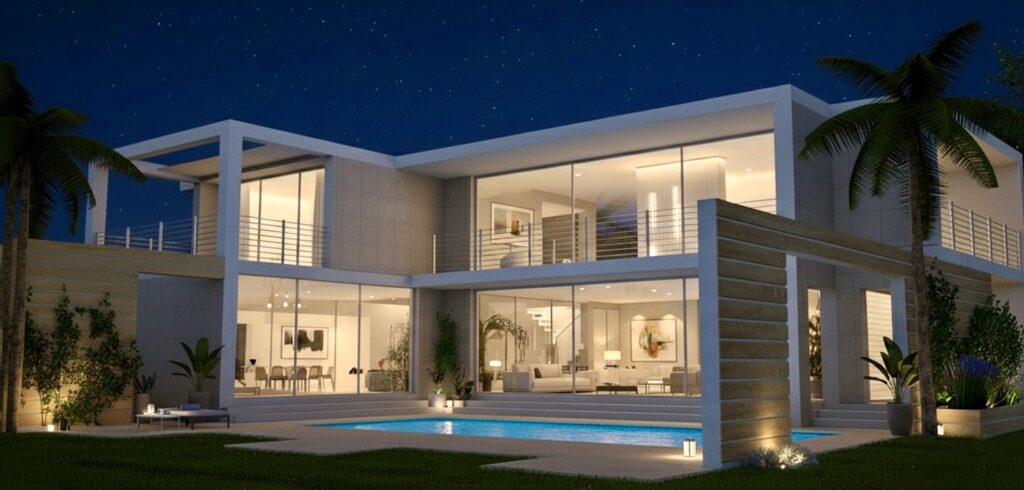
In a workplace, light is a source of energy as much as a formal design choice. The integration of large glazed surfaces aims to provide diffused natural light throughout the day, while artificial lighting systems should be designed to adapt to different activities and ensure maximum visual comfort. The goal is to create a stimulating environment designed to foster concentration, efficiency, and both physical and psychological well-being.
User experience and intuitive navigation
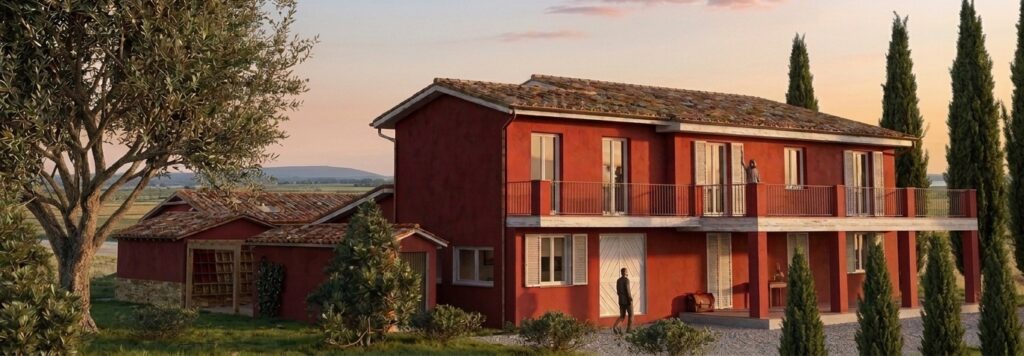
The design of a building should naturally guide different users—employees, clients, and visitors. For this reason, clear and intuitive routes were carefully planned to make the spaces easier to navigate and enhance the overall experience.
The main entrance serves as a visual landmark, while the layout reduces travel time between areas and creates a sense of order and professionalism.
Materials, technology, and sustainability
The materials were selected according to specific criteria: durability, ease of maintenance, and aesthetic quality. Hard-wearing surfaces, contemporary finishes, and integrated technological solutions contribute to creating a modern, functional environment.
Particular attention was also paid to sustainability. The optimisation of natural light, reduced energy consumption, and the use of environmentally efficient materials are key elements of the project.
Light as a strategic element
In this context, light is not merely an aesthetic feature but also a factor that influences productivity. Large windows provide abundant, diffused daylight, while the artificial lighting was designed to adapt to different activities and improve visual comfort. The result is a space that promotes concentration, energy, and well-being.